Ancient Wisdom for Modern Living
Discover how the timeless teachings of Hinduism can enrich your life, regardless of where you live or your cultural background.
HinduismForLife is a comprehensive approach to integrating the timeless wisdom of Hindu philosophy into modern daily life. It's not just about religious practices, but about embracing a holistic lifestyle that promotes personal growth, harmonious relationships, and spiritual development.
Whether you're living in New York, London, Paris, or Mumbai, these principles can be adapted to your unique circumstances, helping you lead a more balanced, purposeful, and fulfilling life.

A structured approach to learning Hinduism from childhood to adulthood
Introduce children to Hindu values through engaging stories from the Panchatantra, Jataka Tales, and simplified versions of the Ramayana and Mahabharata.
Teach basic prayers, simple mantras, and the significance of festivals through fun activities, art, and music.
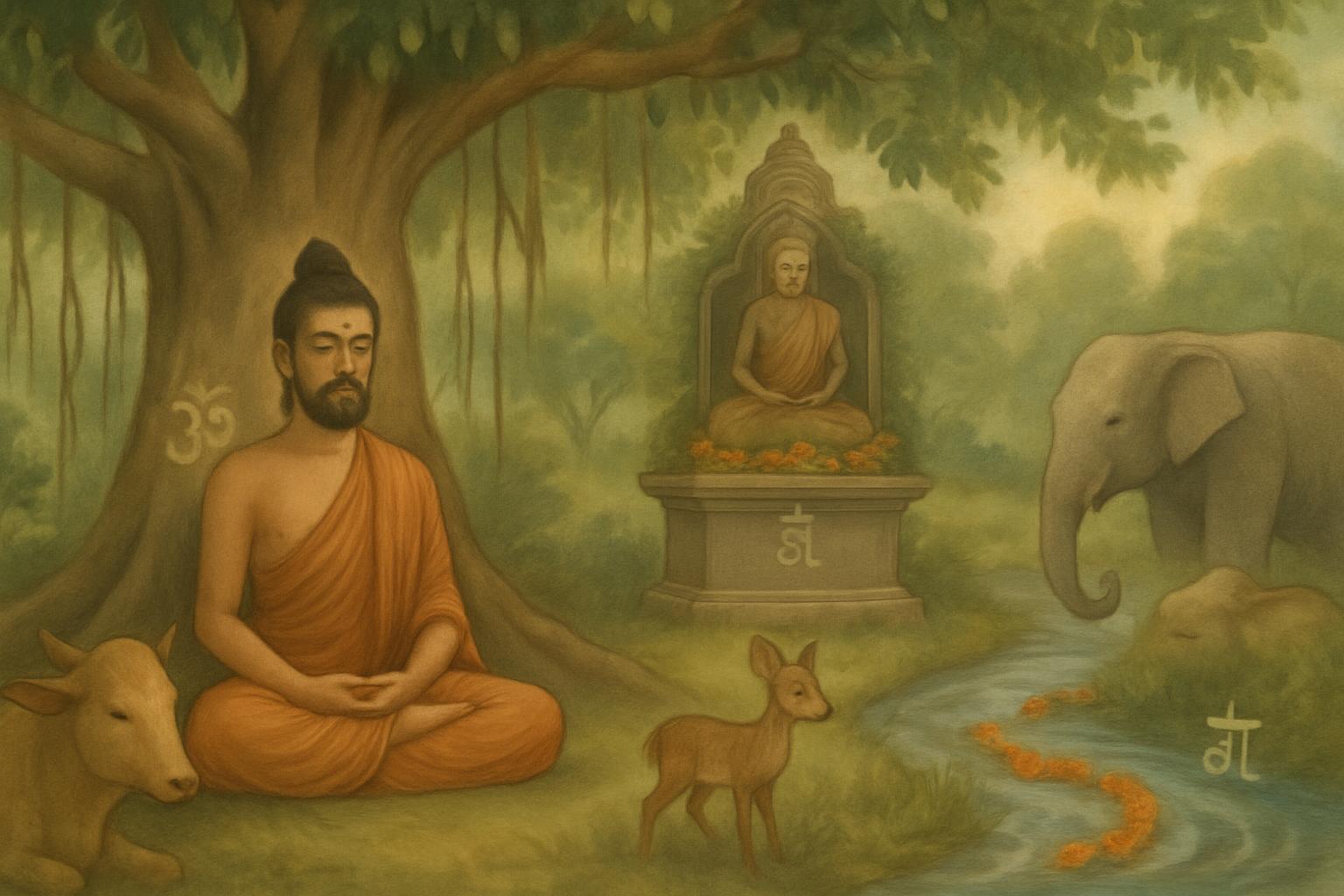
Focus on universal values like truth (satya), non-violence (ahimsa), and respect for all living beings through everyday examples.
Incorporate yoga poses as animal shapes, simple breathing exercises, and meditation through guided visualization.
Introduce core concepts like dharma, karma, and the four aims of life (purushartha) with real-life applications.
Encourage questions and discussions about Hindu practices, connecting ancient wisdom with modern scientific understanding.
Participate in seva (selfless service) activities that apply Hindu values of compassion and giving.
Learn more structured meditation techniques, pranayama (breathing exercises), and the meaning behind rituals.
Explore key texts like the Bhagavad Gita, Upanishads, and selected Puranas with modern interpretations.
Apply Hindu ethics to contemporary issues like environmental sustainability, social justice, and professional ethics.
Understand Hindu perspectives on relationships, family life, and social responsibilities in the modern context.
Develop a personal spiritual practice that fits with modern lifestyle, including yoga, meditation, and self-study.
Delve deeper into Vedanta, Samkhya, and other philosophical systems with their practical applications.
Share knowledge and experience with younger generations, becoming a guide for others on their spiritual journey.
Focus on deeper spiritual practices aimed at self-realization and understanding the nature of consciousness.
Connect Hindu wisdom with other spiritual traditions and contribute to global dialogues on spirituality and ethics.
Bridging ancient wisdom with contemporary life for 2025 and beyond
We believe in honoring tradition while embracing innovation. Our approach preserves the essence of Hindu wisdom while making it accessible and relevant to contemporary life, regardless of location or background.
This balanced approach allows practitioners to benefit from ancient knowledge while thriving in the modern world, creating a harmonious integration of timeless principles with contemporary needs.
How Hinduism complements rather than contradicts scientific understanding
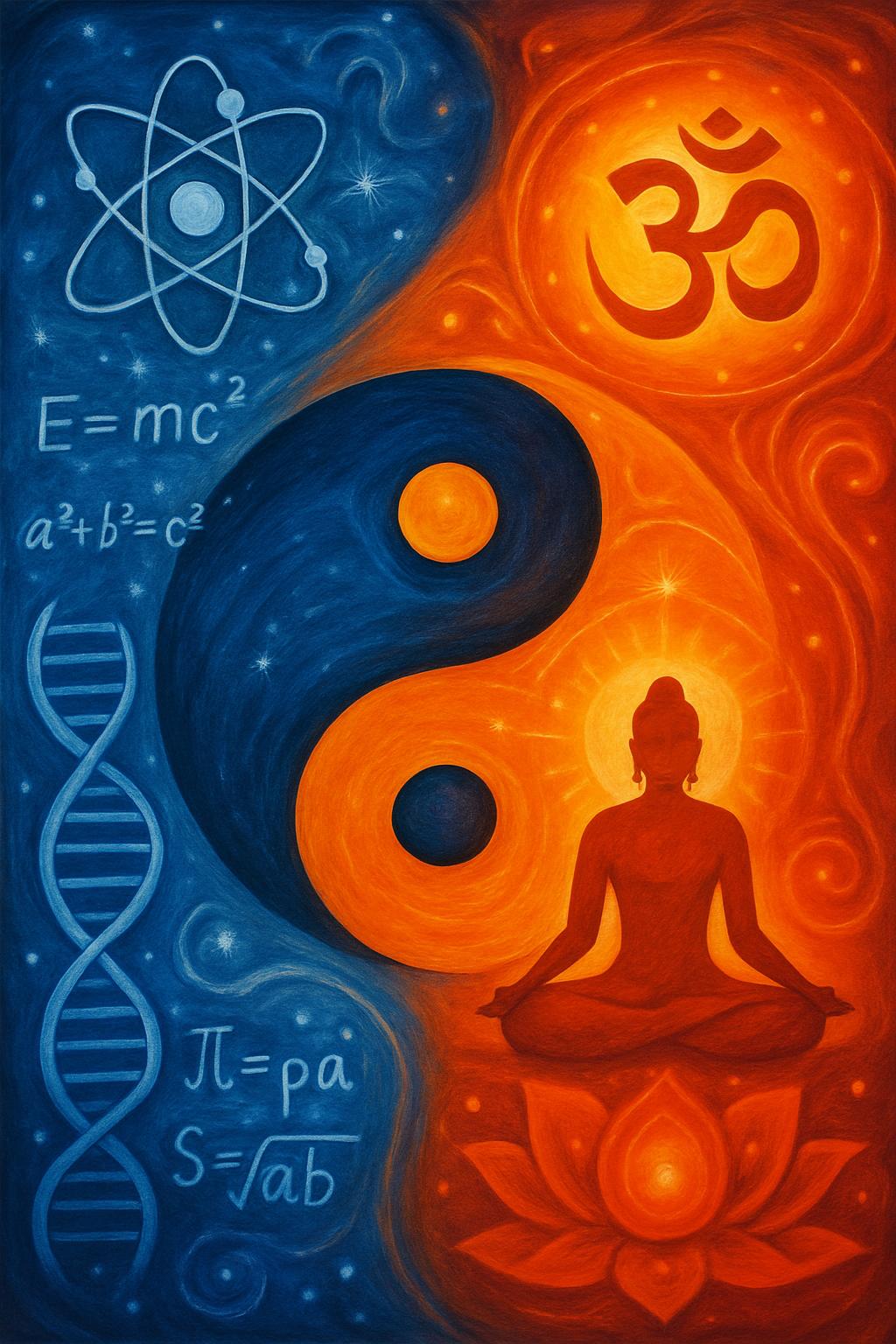
Hinduism offers a unique framework where scientific inquiry and spiritual exploration complement rather than contradict each other. While science explores the "how" and "what" of the external world, Hindu philosophy addresses the "who" and "why" questions of existence.
Many concepts in modern physics, such as the cyclical nature of the universe, multiple dimensions, and the interconnectedness of all things, were described in ancient Hindu texts thousands of years ago.
While modern science excels at understanding the external world, Hindu practices offer sophisticated methods for exploring consciousness and the inner dimensions of experience.
Hindu principles of dharma (righteousness) and ahimsa (non-harm) provide ethical guidelines for the development and application of scientific advancements.
By integrating scientific knowledge with spiritual wisdom, we gain a more complete understanding of ourselves and the universe, addressing both material and existential aspects of life.
Core principles that transcend cultural and religious boundaries
Extending beyond physical harm to include thoughts and words, ahimsa promotes compassion toward all beings and forms the foundation for peaceful coexistence.
The commitment to truthfulness in thought, speech, and action, fostering integrity, transparency, and ethical conduct in all aspects of life.
Serving others without expectation of reward, recognizing the divine in all beings and contributing to the greater good of society.
Cultivating love, reverence, and dedication toward the divine, however one conceives it, fostering a sense of connection to something greater than oneself.
The pursuit of knowledge and understanding, distinguishing between the permanent and impermanent, and recognizing the underlying unity of existence.
Living according to ethical principles and fulfilling one's duties and responsibilities in a way that maintains social harmony and personal integrity.
Hindu perspectives on living in balance with nature
Hindu traditions have long recognized the sacred nature of the environment, viewing the Earth as a living entity (Bhumi Devi) and all natural elements as manifestations of the divine. This perspective offers valuable insights for addressing contemporary environmental challenges.
Rivers, mountains, trees, and animals are revered as sacred, encouraging their protection and conservation. The Ganges, Yamuna, and other rivers are worshipped as goddesses, while mountains like the Himalayas are seen as abodes of deities.
The concept of "Vasudhaiva Kutumbakam" (the world is one family) extends to all living beings, promoting biodiversity conservation and ecological awareness. This interconnectedness is reflected in the practice of seeing the divine in all creation.
Traditional Hindu practices like vegetarianism, using natural materials, and minimizing waste align with modern sustainability principles. The concept of "aparigraha" (non-possession) encourages mindful consumption and reduced materialism.
Today, these principles can guide environmental ethics, sustainable development, and conservation efforts, offering a spiritual dimension to ecological activism that resonates across cultural boundaries.
Building stronger bonds through shared values and practices
Hindu traditions offer rich resources for strengthening family bonds and building compassionate communities, even in modern urban settings far from traditional cultural contexts.
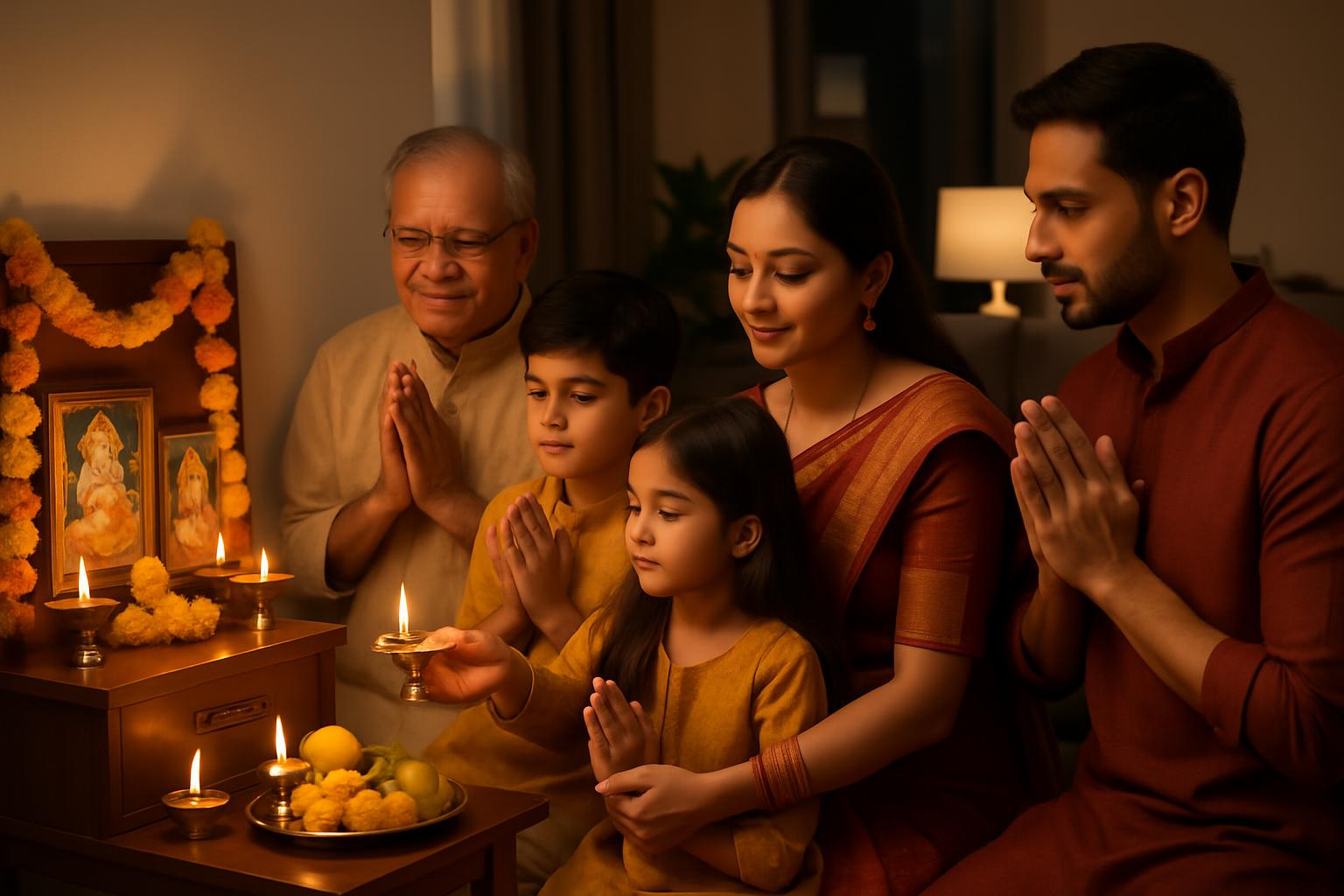
Regular family rituals and practices create meaningful shared experiences that strengthen relationships across generations. The home shrine (mandir) becomes a focal point for family unity, while shared meals, prayers, and festival celebrations foster connection.
Hindu traditions can be adapted to modern contexts while preserving their essence, allowing families to maintain cultural identity while embracing contemporary realities. This flexible approach focuses on values and principles rather than rigid rules.
Hindu values of seva (selfless service) and dana (giving) inspire community engagement and social responsibility. Community service projects, food sharing, and support networks create meaningful connections beyond family boundaries.
Individual growth through Hindu practices and principles
Hindu philosophy offers frameworks for understanding one's unique nature (swadharma) and purpose in life, helping individuals make authentic choices aligned with their deeper values.
Meditation, yoga, and philosophical insights provide tools for managing stress, processing emotions, and maintaining equilibrium amid life's challenges.
The tradition of svadhyaya (self-study) encourages continuous learning, reflection, and growth throughout all stages of life.
Practical integration of Hindu practices into modern daily life
Morning meditation (10 min) focusing on Lord Shiva for strength and clarity
Simple yoga sequence (15-20 min)
Reading from the Bhagavad Gita (one verse with reflection)
Morning meditation (10 min) focusing on Lord Hanuman for courage
Practice of mindful speech and listening
Hanuman Chalisa or devotional music
Morning meditation (10 min) focusing on Goddess Saraswati for wisdom
Learning something new (language, skill, concept)
Journaling practice for self-reflection
Morning meditation (10 min) focusing on Lord Vishnu for protection
Practice of gratitude throughout the day
Family prayer or shared spiritual discussion
Morning meditation (10 min) focusing on Goddess Lakshmi for abundance
Practice of dana (giving) - donate, volunteer, or help someone
Home shrine care and decoration
Extended meditation and yoga practice (30-45 min)
Nature connection time (walk, gardening, or simply being outdoors)
Bhajan or kirtan (devotional music) - listen or participate
Temple visit or online satsang (spiritual gathering)
Family meal with sattvic food
Weekly planning with dharmic principles in mind
Tools and materials to support your journey
Join our community and stay updated